Poker travel expense tracking tends to be a bit approximate in the live poker player scene. Those who travel regularly between Europe and the U.S. forget the experience of at least one of those moments of confusion feeling like bleeding cash for no good reason. It’s not the jet lag confusion and the feeling of hallucinating, has nothing to do with the giant margaritas on an empty stomach.
It’s not even the fact that casinos somehow smell like carpet cleaner and broken dreams at the same time. No! The real total confusion starts when everybody expects tips. Everywhere. Constantly.
You win a blackjack hand. Tip.
The dealer pushes you a pot. Tip.
Cocktail waitress brings you a Diet Coke. Tip.
The bellboy touches your suitcase for 1.7 seconds. … Ok, tip.
At some point, Europeans start looking around like they accidentally entered a side quest where every NPC demands gold coins and maybe the poker world makes this even stranger.
One Game ♦️ One World
#allineverywhere
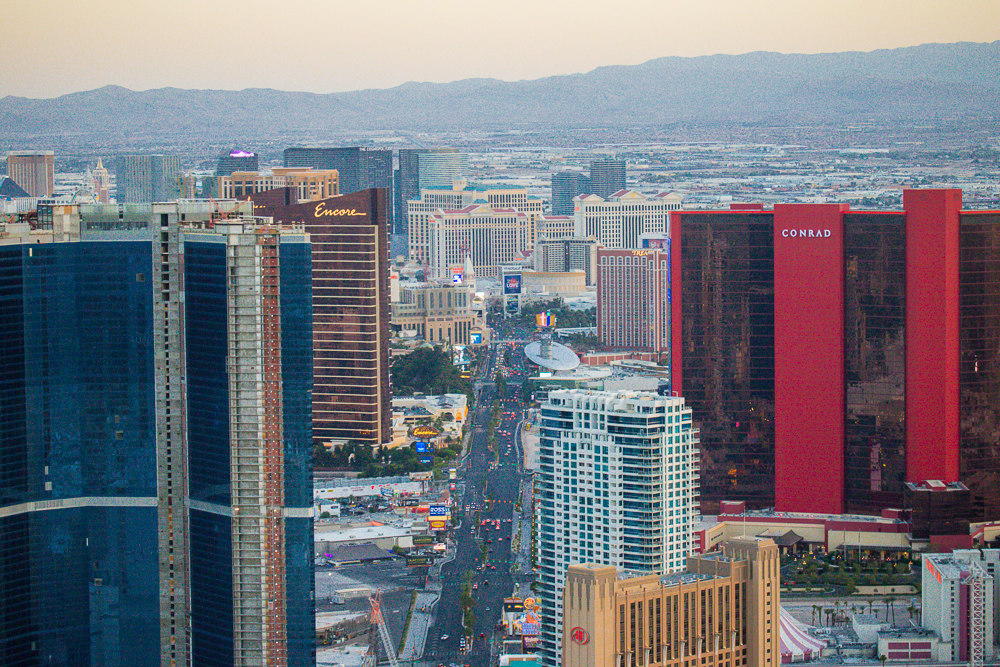
Europe vs America: Two Completely Different Philosophies
Historically speaking, Europe and the United States developed very different relationships with tipping. In many European countries, service workers are paid a more stable wage. Tips exist, but they’re usually seen as a bonus, a genuine sign of appreciation.
Visitors tip because service was exceptional, somebody was particularly kind or because they simply feel generous.
In the US, tipping evolved differently. Entire industries slowly built their salary systems around customer tips. Especially in hospitality, restaurants, bars, and of course casinos.
In places like Las Vegas, tips are not just ‘extra money’. This is important to understand. They are part of the economic structure itself. That changes everything psychologically.
A European often thinks: ‘I tip when I’m really happy.’
An American often thinks: ‘I tip because that’s how the system works.’
Neither side is necessarily wrong, but they’re just playing completely different formats. One is cash game logic. The other is tournament structure considerations.
Vegas: Home to the World Series of Tipping
Las Vegas may actually be one of the most tip-dependent ecosystems on Earth. Inside a casino, you can easily encounter dealers, waitresses, bartenders, valets, bellhops, bathroom attendants, cleaning staff, massage service workers, poker chip runners, tournament staff, and people whose exact job remains a mystery even after three WSOP trips.
Many of these roles expect tips as part of normal income and traveling poker players quickly need to adapt to it, especially because casino businesses are built around tiny repeated interactions. A dealer pushes you 27 pots during a session. A waitress brings you 11 drinks. A valet retrieves your car three times a week.
Each interaction becomes a mini tipping decision. It’s basically microtransactions for superficial human interactions.
The Poker Room Economic Distortion
Things become interesting when one imagines a poker room with 10 tables running. A waitress walks through the room taking drink orders. Maybe 20 players order drinks.
If each player gives 1 Dollar, that’s 20 Dollars earned during a single round across the room. Repeat this several times per hour and suddenly one realizes the economics of casino tipping can become surprisingly strong compared to many ‘traditional’ professions.
Meanwhile, in the exact same room, one may have photographers, bloggers, media staff, tournament reporters, live stream operators, translators, floor assistants, production crews … who almost never receive tips even though they’re also contributing to the experience.
No Link beetween Tipping and Effort
Tips are not linked to effort. Tipping is linked to visible service rituals. If a role has a direct ‘transaction moment’, tips appear naturally, especially in everybody else’s sight. If a role is invisible, long-term, or behind the scenes, people psychologically stop associating it with tipping.
A poker photographer may spend 14 hours creating content that helps promote players and events for years but a blackjack dealer receives an instant reward after every winning hand.
One profession creates long-term value while the other creates immediate emotional gratification and most humans would rather tip for emotions than for infrastructure.
The ‘Good Luck Tip’ Phenomenon
Seometimees, tips also adds superstition into the equation.
Some players tip dealers almost like offering tribute to the poker gods. Poker players are emotional creatures full of irrational rationalities like believing karma can be purchased for 1-Dollar chips.
Tipping Culture as a Social System
For many Europeans visiting Vegas, tipping starts feeling mentally exhausting after a few days. Not because they are cheap, but because the constant decision-making creates pressure. How much is enough? Who expects tips? Who doesn’t? Did you just accidentally insult someone with $1 instead of $5? Is this a social rule or an extortion side mission?
Meanwhile, Americans often don’t even think about it anymore. The system is deeply normalized. It’s built into muscle memory.
Poker players also like to judge each other’s tipping. Tip too little? People notice. Tip too much?
People also notice.
It’s almost like there is a hidden poker economy scoreboard running in the background.
Ironically, poker players can spend hours balancing GTO strategies worth thousands of dollars, then emotionally debate an 18%-tip the other day at the restaurant like it’s a river decision for a 200-bb pot.
The truth is that tipping culture reflects deeper historical and social systems: salary structures, labor laws, hospitality traditions, class relationships, cultural expectations around generosity, and social image.
Europe generally treats tips as appreciation. America often treats tips as participation in the system itself.
Interestingly, poker rooms sit right in the middle of that collision. Especially in Las Vegas, where tipping almost becomes part of the entertainment experience like blinds, rake, and bad beat stories.
Just another unavoidable cost of the trip. What requires a bit of practice, is understanding who is used to getting tipped how much depending on where, what circumstances and what kind of locations in an economic environment that refuses to set any rules.
Tips, Taxes & the Real Pressure
At the end of the day, most poker players don’t really hate tipping. What they hate is uncertainty. Poker players love clear rules and tipping has very few. This ‘open door’ has a whole series of income law and revenue tax repercussions, and once one starts to understand those, it become easier to follow on why many industry participants love to see this open door as widely open as possible.
Despite a lingering taste of scam for visitors in some situations, overall, it is still quite entertaining though to contemplate poker players as being perfectly comfortable risking a full buy-in with queen-jack suited against a random local hero everybody calls ‘Any-Two Tony’, but still worrying internally when the waitress brings them coffee and goes like:
‘Here you go, honey.’
That’s when the real pressure seems to be on.
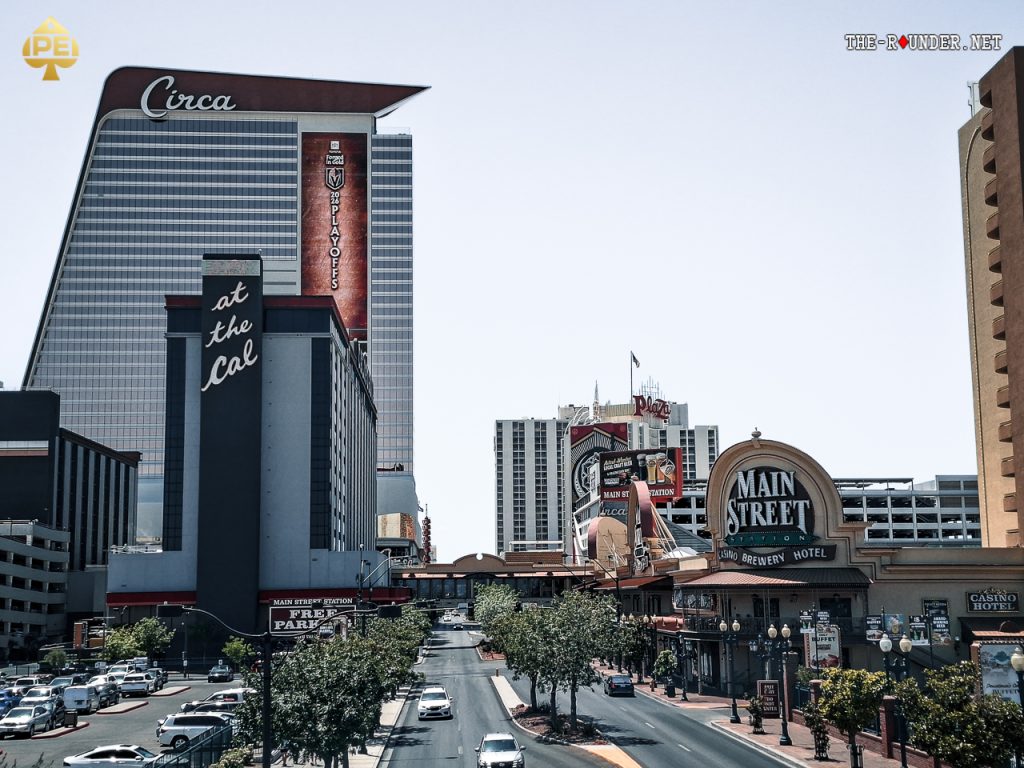
Join the Poker Travel Community
Every week, we review and add live poker info in the POKER TRIPS section.

Plenty of additional poker trip destinations are suggested and published every week along with daily updates via our PARTNERS.
Latest news, offers and photo reports are published via the BLOG PAGE.
Current Highlights
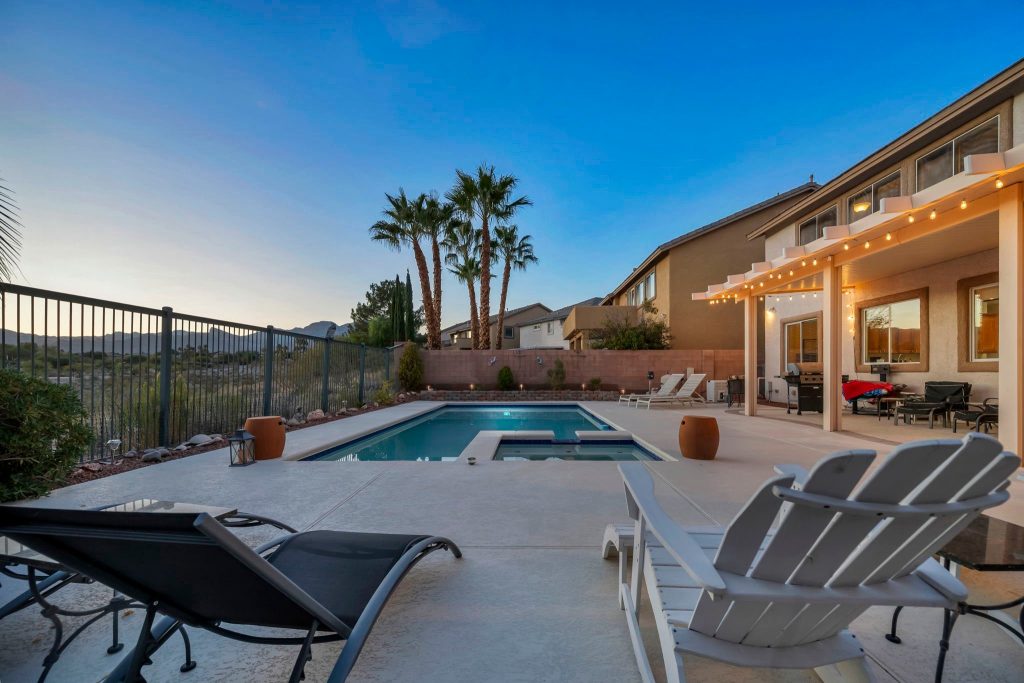
Find Your Vegas Home
We help poker players relocate to Vegas. Find out more in our dedicated section.

Daily Vegas Summer Poker Updates
We team up with PokerExklusiv and the Neon Mirage Agency to deliver web content from the Vegas Summer Poker Camp.

Poker Trips Coming Up
Plan your next poker adventure.
More Poker Travel Inspiration
Visit the Travel Photo Archive

Latest Blog Posts